



Concrete Block Machine Price
Based on the latest 2026 trends in the global concrete block machine industry, this article focuses on the overseas market, analyzes the core factors affecting concrete block machine prices, provides global price range references, and offers practical suggestions tailored to international buyers. It aims to help overseas purchasers accurately match their needs, avoid procurement risks, and control overall costs.
The price of global concrete block machines is not fixed. It is comprehensively affected by multiple factors, including equipment type, production capacity, technical configuration, brand strength, regional market differences, and international trade policies. Prices can differ by dozens of times between models with different configurations, applications, and destination countries.
With the rising global environmental awareness and continuous infrastructure development worldwide, non-fired bricks have gradually replaced traditional fired bricks as the mainstream choice in the global building materials market, thanks to their advantages of energy saving, environmental protection, wide availability of raw materials, and elimination of high-temperature firing. As the core equipment for producing non-fired bricks, the price of concrete block machines has become not only a key concern for domestic investors but also a critical indicator for overseas buyers, building materials enterprises, and project contractors.
At present, prices in the global concrete block machine market vary greatly, ranging from small manual units costing a few hundred US dollars to large fully automatic production lines costing hundreds of thousands of US dollars. In addition, overseas procurement involves extra costs such as customs duties, transportation, and certification. Many overseas buyers fall into the “low-price trap” or blindly pursue high-end equipment due to a lack of understanding of global market conditions and price-influencing factors.
Based on the latest 2026 trends in the global concrete block machine industry, this article focuses on the overseas market, analyzes the core factors affecting concrete block machine prices, provides global price range references, and offers practical suggestions tailored to international buyers. It aims to help overseas purchasers accurately match their needs, avoid procurement risks, and control overall costs.
The price of global concrete block machines is not fixed. It is comprehensively affected by multiple factors, including equipment type, production capacity, technical configuration, brand strength, regional market differences, and international trade policies. Prices can differ by dozens of times between models with different configurations, applications, and destination countries.
For overseas buyers, to accurately understand concrete block machine pricing, they must not only clarify their production needs and budget but also fully consider the particularities of international procurement. Only by comprehensively evaluating all influencing factors can they maximize cost performance while controlling subsequent expenses such as shipping, tariffs, and after-sales service.
Equipment Type and Automation Level
Equipment type and automation are among the core factors determining global concrete block machine prices. This rule is consistent with the domestic market, but demand for models suitable for overseas markets shows obvious differences.
Currently, concrete block machines on the global market are divided into three categories: manual, semi-automatic, and fully automatic. They differ significantly in operation, labor demand, and efficiency, with prices rising accordingly.
Manual Concrete Block Machine
Manual concrete block machines are entry-level equipment. They feature a simple structure, easy operation, and no complex power requirements. Most processes, including feeding, pressing, and demolding, rely on manual labor.
They are suitable for small rural workshops, individual entrepreneurs, or small-scale production in developing countries such as those in Africa and Southeast Asia.
· Global average price: $150 – $800
· Some simple models cost less than $100.
However, their efficiency is very low, producing only 500–1000 bricks per hour, and they require skilled operators. Long-term use leads to high labor costs, making them more suitable for regions with low labor expenses.
Semi-Automatic Concrete Block Machine
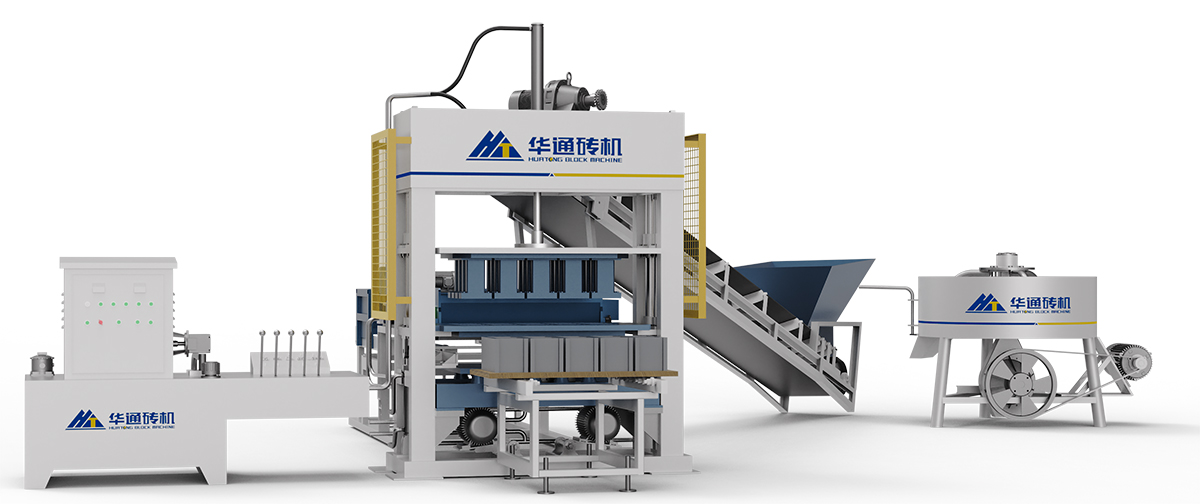
Semi-automatic concrete block machines are upgraded from manual models, equipped with basic power and conveying systems. They enable automatic material feeding and pressing, requiring manual labor only for batching, demolding, and product handling.
They balance cost performance and productivity, making them ideal for small and medium-sized building materials factories or rural production bases in Southeast Asia, Latin America, and other regions. They are also among the most in-demand models in overseas markets.
· Global average price: $800 – $8,000
· Models producing 1000–3000 bricks per hour: $2,500 – $5,000
· Multi-brick, hydraulic models: $5,000 – $8,000
These machines meet the mass production needs of small and medium-sized overseas engineering projects.
Fully Automatic Concrete Block Machine
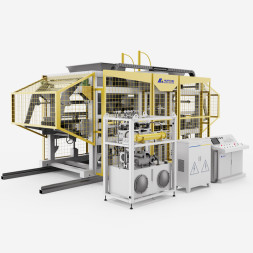
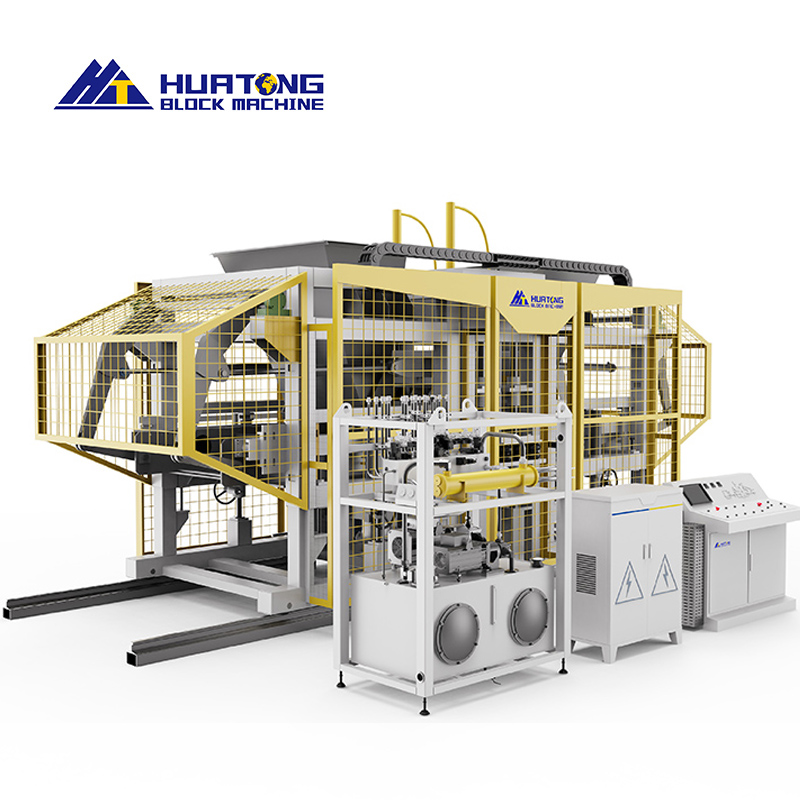
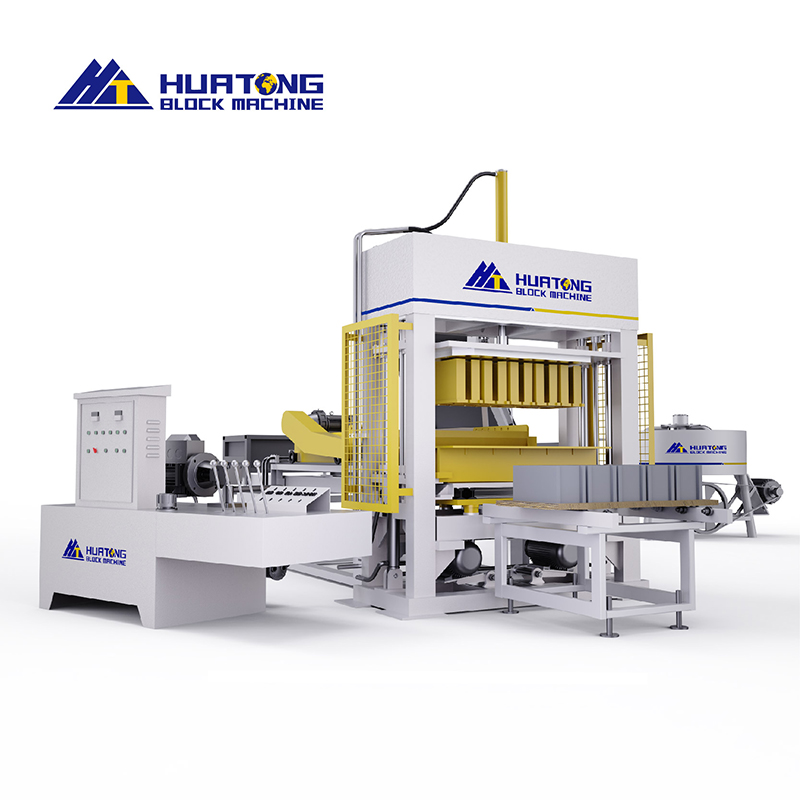
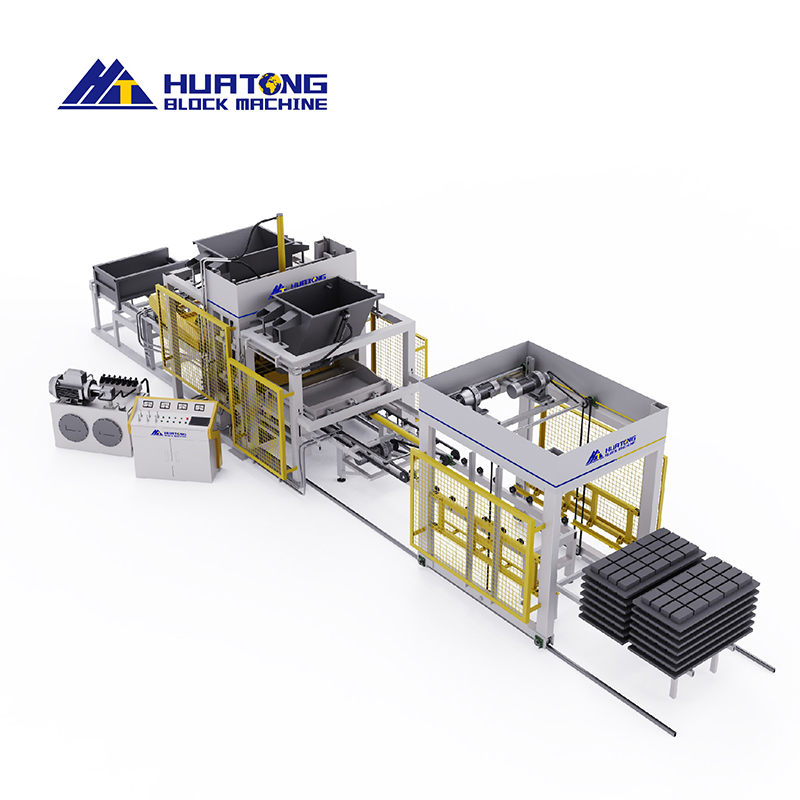
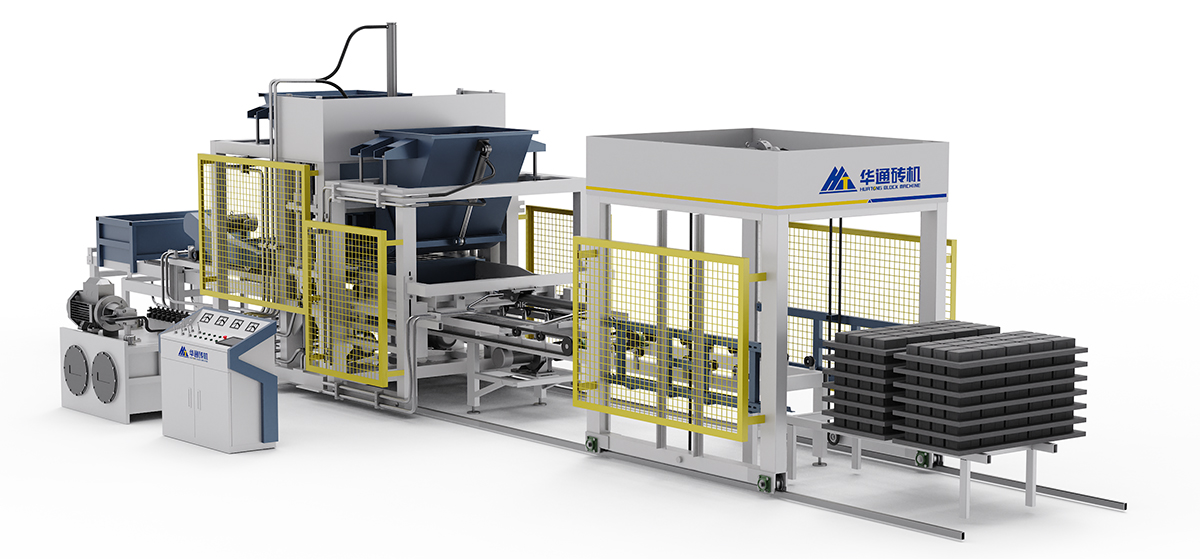
Fully automatic concrete block machines represent the most advanced and efficient technology globally. They adopt a PLC intelligent control system, high-precision hydraulic system, and fully integrated processes of automatic conveying, batching, and curing. Unattended production is achievable with only 1–2 workers for supervision and maintenance.
They are suitable for large building materials factories, construction waste recycling enterprises, and large-scale municipal engineering supporting production in developed countries in Europe, America, and the Middle East, especially matching the large-scale infrastructure construction demand in the Middle East.
· Global average price: $8,000 – $80,000
· High-end lines can exceed $150,000.
· Single fully automatic machines (3000–5000 bricks/hour): $8,000 – $25,000
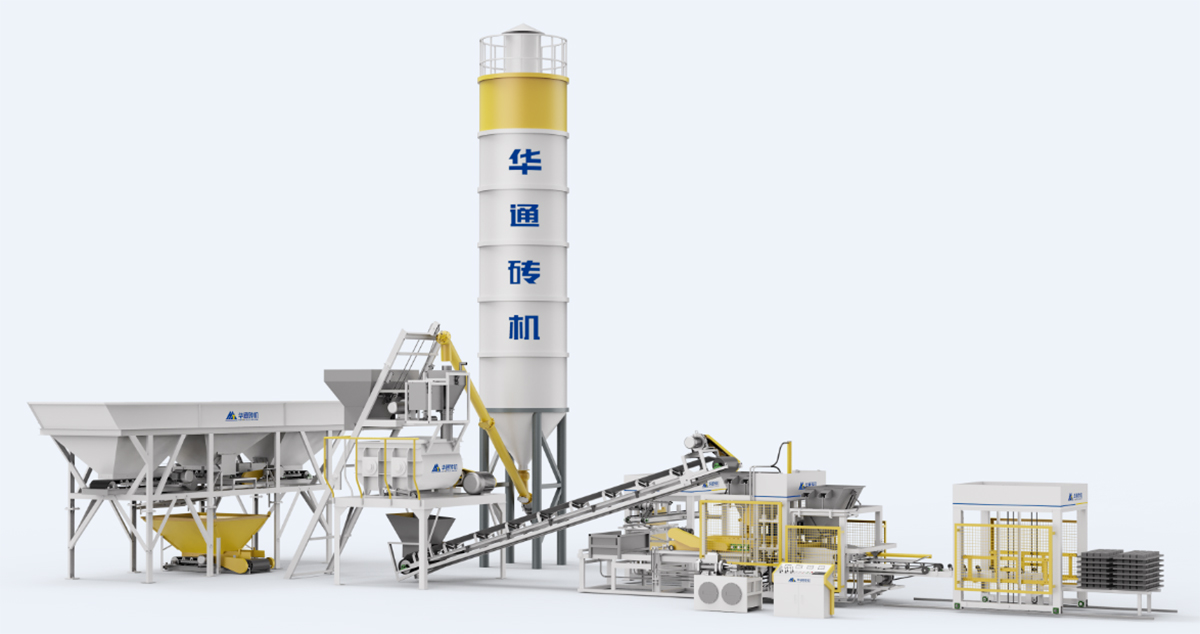
· Large production lines (5000–12000 bricks/hour): $25,000 – $80,000
Their core advantages include high efficiency, stable product quality, and extremely low labor costs, providing outstanding long-term operational value, especially for regions with high labor costs such as Europe, America, and the Middle East.
Production Capacity
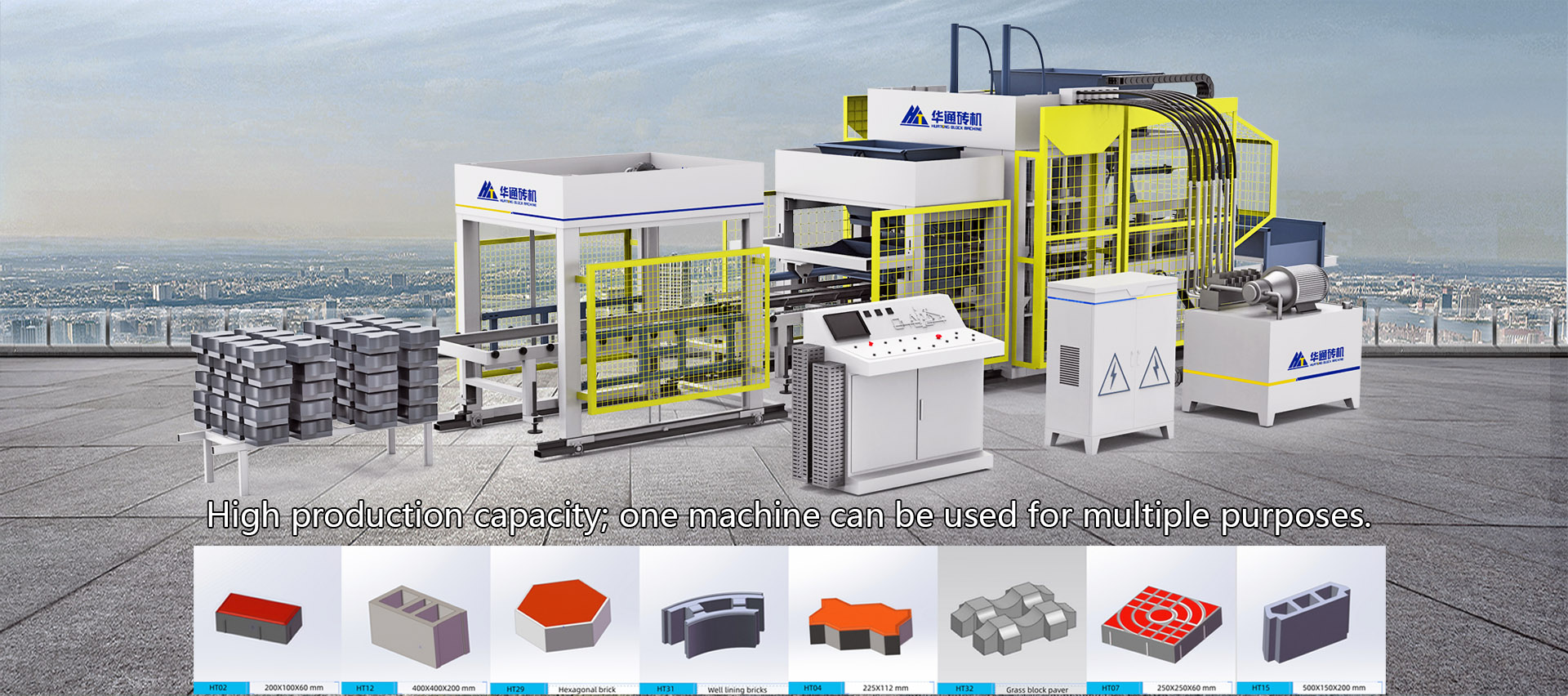
Production capacity, measured in bricks per hour, is another key factor. Higher capacity generally means a higher price.
· Small machines (500–1000 bricks/hour): Mainly manual and basic semi-automatic, priced at $150 – $3,000, targeting small-scale production in Africa and Southeast Asia.
· Medium machines (1000–3000 bricks/hour): Mostly semi-automatic, priced at $3,000 – $13,000, suitable for medium production in Southeast Asia and Latin America.
· Large machines (over 3000 bricks/hour): Mainly fully automatic, starting from $13,000 and exceeding $150,000, supplied to large enterprises and projects in Europe, America, and the Middle East.
Notably, increased capacity requires upgrades to core components such as the hydraulic and vibration systems, which directly raise costs. Therefore, the price increase of large-scale equipment is not linear but rises stepwise as capacity doubles.
Technical Configuration and Core Components
Technical configuration and component quality directly determine price and service life, making them a major focus for overseas buyers.
High-quality machines use advanced technology and premium components. Although more expensive upfront, they feature lower operating costs and failure rates, making them more suitable for long-term overseas production.
· Hydraulic system: The “heart” of the block machine. Models using branded pumps and cylinders from brands such as Bosch (Germany) and Yuken (Japan) cost 20%–30% more than those with generic parts.
· Vibration motor: Pure copper motors cost about 15% more than aluminum motors but offer better heat dissipation and durability for long-term operation under various overseas climates.
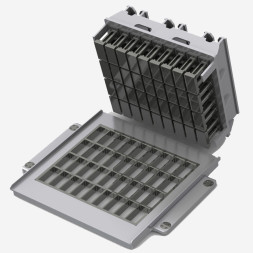
· Mold: Molds made of 45# tempered steel or Cr12MoV wear-resistant steel, treated with nitriding or chrome plating, cost over 30% more than ordinary carbon steel molds but last 3–5 times longer. Premium molds can exceed 100,000 cycles, while low-quality ones may need replacement after 30,000 cycles, greatly reducing replacement costs and downtime losses for international buyers.
Additional systems such as PLC intelligent control, automatic batching, and online detection also affect pricing. Machines equipped with PLC controllers from brands such as Siemens and Mitsubishi cost 10%–20% more and are preferred in regions with high intelligence requirements. Automatic batching systems reduce material waste and ensure uniform brick quality, further increasing value.
According to 2026 global industry trends, machines capable of processing solid waste such as fly ash, tailings, and construction waste cost 15%–25% more but align with global environmental policies. Most countries offer tax reductions or subsidies for such eco-friendly equipment, leading to better long-term returns, especially in regions with high environmental standards such as Europe, America, Japan, and South Korea.
Brand Strength and After-Sales Service
Brand strength and after-sales support are also important pricing factors, with after-sales service being even more critical for overseas buyers than for domestic customers.
Global concrete block machine brands fall into three categories:
1. Leading international brands: High technical barriers, reliable quality, prices over 30% higher, higher maintenance costs. Suitable for high-end clients and large projects in Europe and America.
2. Cost-effective Chinese brands: With mature production technology and complete export services, prices are 20%–30% lower than international brands. They adapt to different voltages and climates worldwide and are the mainstream choice in overseas markets, especially popular among buyers in Southeast Asia, Africa, and Latin America.
3. Local minor brands: Low prices but unstable quality and limited after-sales support. Suitable only for short-term, small-scale production.
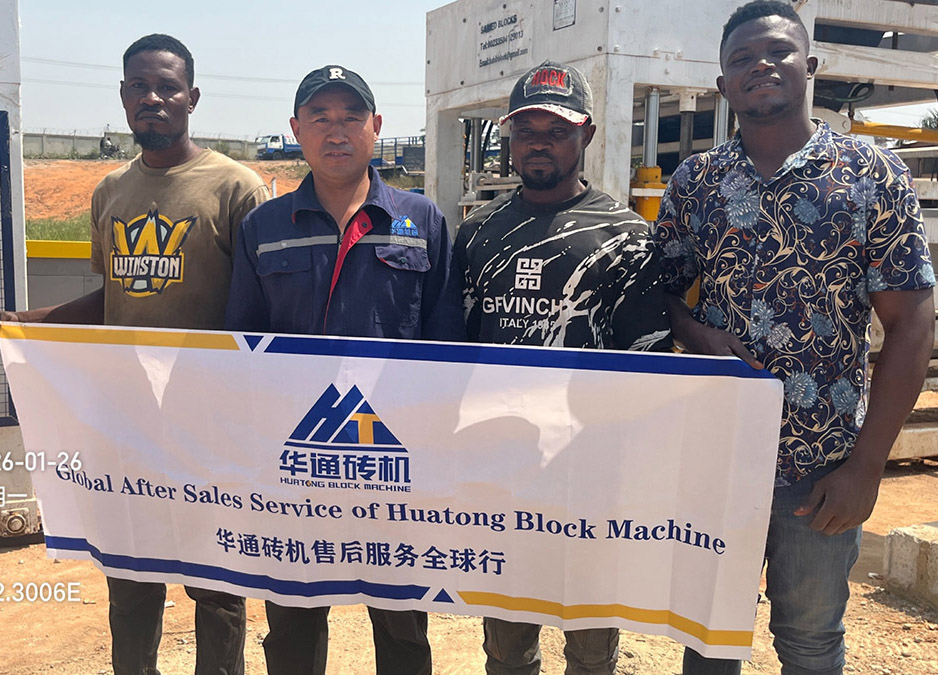
Comprehensive after-sales service is reflected in the price. Reputable international and Chinese export brands typically provide:
· Warranty of at least 1 year for core components (hydraulic pump, motor, PLC)
· 6 months for the whole machine
· 24-hour multilingual support
· On-site overseas repair (within 72 hours in some regions)
· Free installation, commissioning, operator training, formula guidance, and wearing parts supply
In contrast, small local brands often offer no overseas on-site service and warranties shorter than 3 months. Although cheaper initially, high repair costs, long downtime, and difficulties in obtaining spare parts often make them uneconomical in the long run.
Market Supply, Regional Differences, Trade Policies and Costs
Other key factors include global supply and demand, regional differences, international trade policies, and export-related costs.
Since 2026, the recovery of global infrastructure construction, especially massive investment in upgrading facilities in the Middle East, has driven strong demand for concrete block machines. Some popular models are in short supply, with prices rising slightly by 5%–10%.
Regionally, machines in Europe and America cost 30%–50% more due to high labor and technical standards, while prices in Africa and Southeast Asia are relatively lower because of lower shipping costs and demand for mid-to-low-end models.
Trade policies vary widely:
· The EU imposes tariffs of 10%–15% on imported concrete block machines.
· Some Southeast Asian countries (Thailand, Malaysia) apply zero or low tariffs on Chinese exports.
China’s export VAT refund policy helps reduce manufacturers’ costs, indirectly offering more competitive prices to overseas buyers. Shipping and port fees usually account for 5%–15% of the total equipment cost, and up to 20% in remote areas.
2026 Global Price Reference (USD, EXW, excluding tax, freight, installation)
· Manual Concrete Block Machine: $100 – $800
· Semi-Automatic Concrete Block Machine: $800 – $8,000
· Fully Automatic Single Machine: $8,000 – $25,000
· Large Fully Automatic Production Line: $25,000 – $80,000
· High-End Intelligent Line: $80,000 – $150,000+
These are bare-machine prices only. Overseas buyers must also account for tariffs, ocean freight, port charges, installation, wearing parts, and maintenance. Confirm all cost details with exporters in advance to avoid unexpected expenses. Eco-friendly models with solid waste processing capabilities may qualify for tax reductions in some countries.
Purchasing Guide for Overseas Buyers
When choosing a concrete block machine, buyers should not simply chase low prices or blindly pursue high-end equipment. The key is to match production needs, local market characteristics, and budget, while accounting for the special nature of international procurement.
1. Clarify production scale and regional adaptability
o Small-scale (under 3 million bricks/year): Manual or semi-automatic, budget under $8,000, suitable for Africa, Southeast Asia.
o Medium-scale (3–10 million bricks/year): Mid-range semi-automatic or small fully automatic, budget $8,000–$25,000.
o Large-scale (over 10 million bricks/year): Large fully automatic lines, budget above $25,000, suitable for Europe, America, Middle East.
Prioritize machines compatible with local voltage and climate.
2. Choose brands with mature export experience and reliable after-sales servicePrefer suppliers offering multilingual support, overseas on-site service, and readily available wearing parts. Avoid unbranded products, which may cause frequent breakdowns and production delays.
3. Beware of the “low-price trap”If a quotation is far below the market average (e.g., a large fully automatic machine priced below $15,000 when competitors start at $25,000), be alert to refurbished parts, reduced configurations, or inferior materials, which lead to high long-term operating costs.
4. . Avoid over-equippingDo not purchase high-end intelligent, multi-material machines if basic models meet your needs, as idle capacity increases investment costs. Select eco-certified models where applicable to enjoy tax benefits.
5. Conclusion
In 2026, global concrete block machine prices are affected by a combination of factors, with significant differences across regions and models. Overseas buyers should evaluate production scale, raw material type, local policies, budget, equipment type, capacity, configuration, brand service, tariffs, and transportation costs. The optimal choice is a cost-effective, well-supported machine tailored to overseas market requirements.
With stricter global environmental policies and continuous technological upgrading, concrete block machines will become more intelligent and eco-friendly, and global prices will gradually stabilize. Overseas investors should grasp industry trends, plan procurement rationally, and use export tax refunds and local environmental subsidies to control overall costs and achieve long-term stable returns.


